

Quotes about Healthcare: The modern landscape of wellness and medicine extends far beyond clinical walls, touching the core of human dignity, societal progress, and individual resilience. When we examine the true essence of healthcare, we look past the conventional clinical jargon and confront the daily realities of caregivers, researchers, and patients striving for balance. Exploring unique insights into this vital sector offers fresh perspectives on how medical systems, empathy, and innovation intersect to sustain human life across communities worldwide.

Navigating the Modern Philosophy of Healthcare
The ongoing evolution of medicine requires a constant re-evaluation of how societies care for their most vulnerable populations and support those on the front lines of healing. Original thoughts on this subject help illuminate the balance between scientific advancement and the deeply human touch required in every healing environment.
In an era where technology rapidly alters treatment models and patient interactions, maintaining a human-centered approach remains paramount. These reflections serve as vital reminders that behind every diagnosis, data point, and prescription lies a shared human experience that demands empathy, moral responsibility, and structural fairness.
Top 10 Quotes about Healthcare with Explanation

Reflecting on quotes about healthcare allows us to appreciate the delicate balance between technical precision and warm human empathy that defines the medical profession.
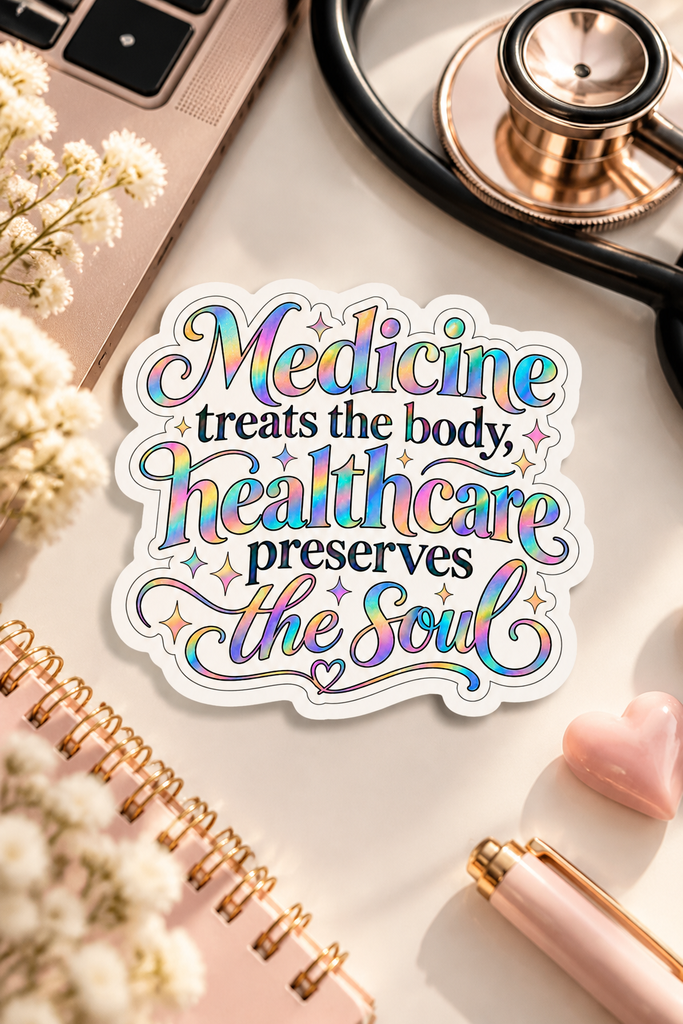
“Medicine treats the body, but healthcare preserves the soul of a community.”
- Explanation: This quote highlights that true healthcare is a collective responsibility extending beyond physical treatments, fostering social trust, safety nets, and mutual support within neighborhoods. It shifts the focus from individual clinical remedies to holistic community health.
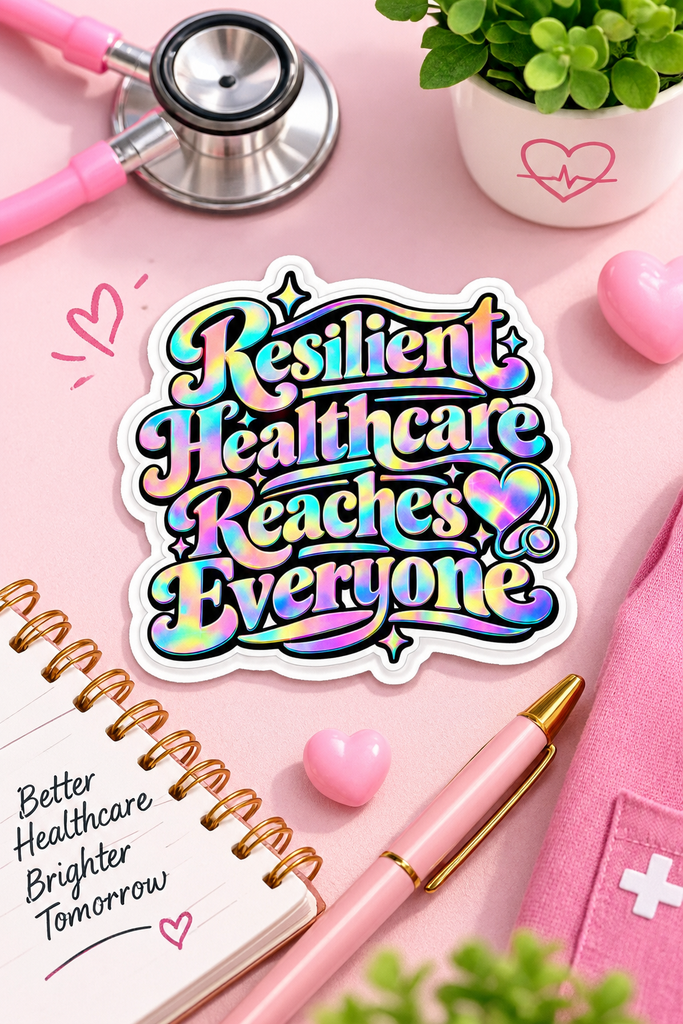
“A resilient medical infrastructure is measured not by its technological peak, but by its reach to the quietest corners of society.”
- Explanation: True progress in the medical field is defined by accessibility and equity, ensuring that advanced care reaches marginalized individuals rather than remaining an exclusive privilege for the few. True equity ensures everyone receives dignified support regardless of geographic or financial barriers.
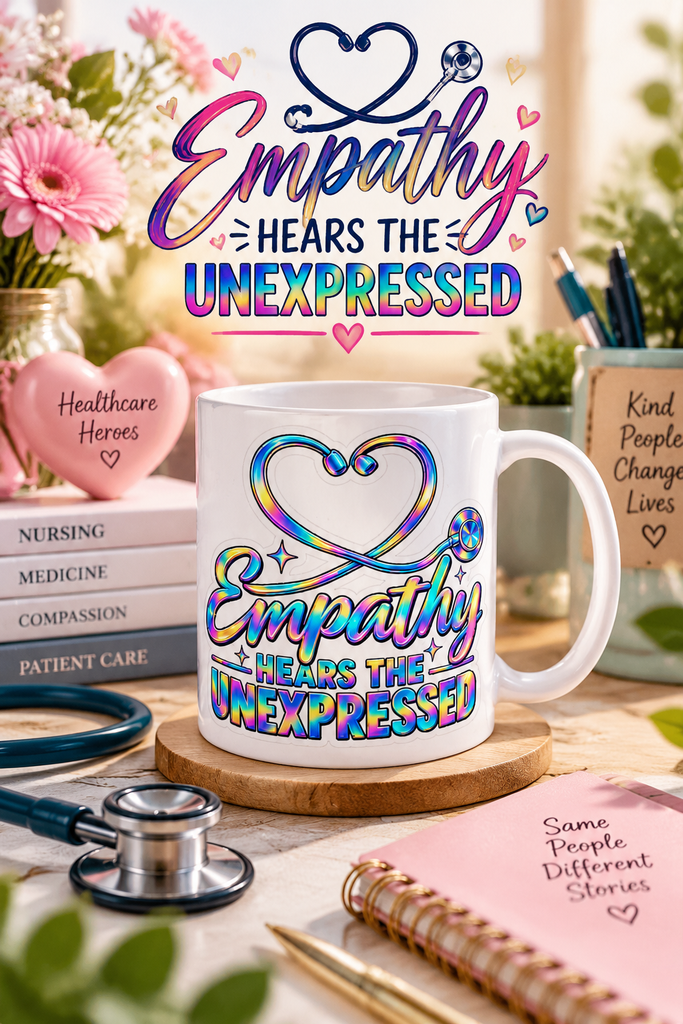
“The stethoscope listens to the heartbeat, but empathy hears the unexpressed fears of the patient.”
- Explanation: Clinical diagnostics are essential for identifying symptoms, but genuine healing begins when practitioners acknowledge the emotional and psychological state of the person seeking help. Listening attentively often relieves half the burden a patient carries.

“Public health is the invisible architect of civilization, quietly building the foundation upon which all human potential stands.”
- Explanation: Everyday preventative measures, sanitation policies, clean water initiatives, and systemic health education create the stable, baseline environment necessary for economic prosperity and cultural growth.

“In the quiet corridors of clinics, science meets compassion, proving that data and dedication are equally vital prescriptions.”
- Explanation: Healing is both an exact science and a profound art form that relies on the dedication of nurses, doctors, researchers, and support staff who bring heart to empirical treatments.
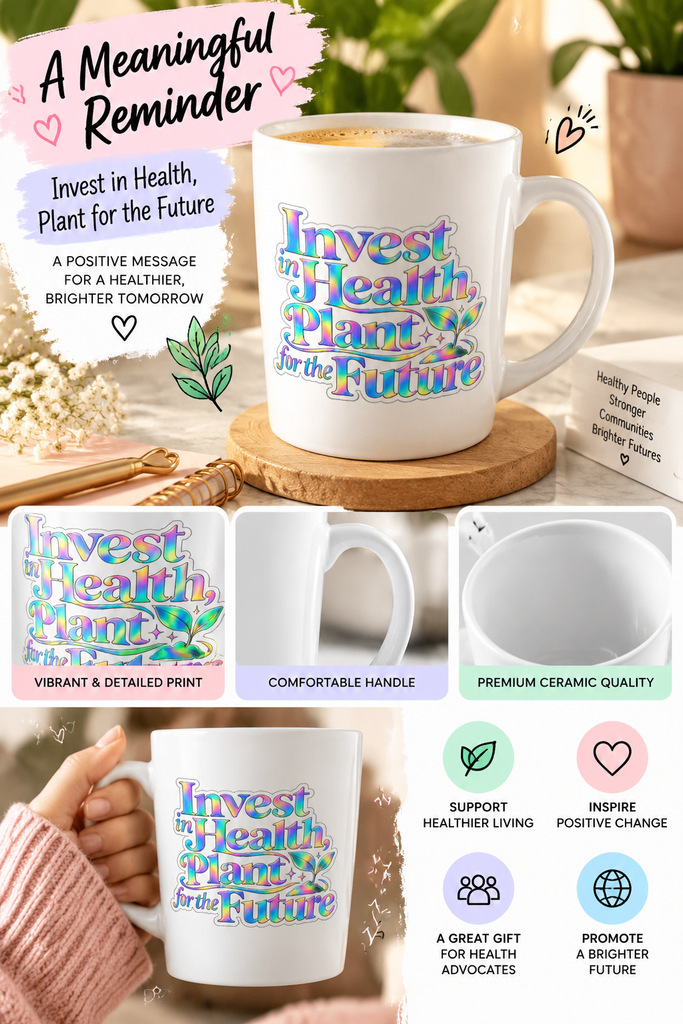
“To invest in healthcare is to plant seeds for a future where longevity is matched by vitality.”
- Explanation: Long-term societal prosperity depends on proactive wellness programs and robust medical resources that prevent chronic suffering before it begins, allowing people to lead vibrant lives as they age.

“The nurse’s hand is the first bridge a patient crosses between terrifying uncertainty and reassuring recovery.”
- Explanation: Frontline nursing professionals provide indispensable emotional grounding during the most vulnerable moments of a patient’s medical journey, acting as the steady presence in times of distress.
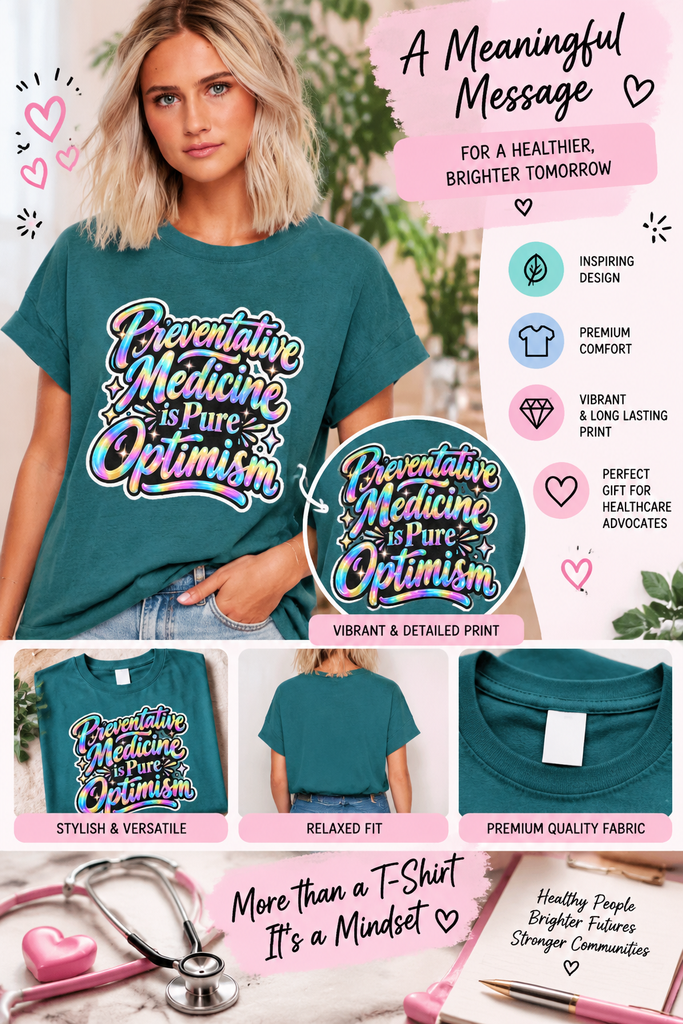
“Preventative medicine is the ultimate act of optimism, wagering today’s effort on tomorrow’s well-being.”
- Explanation: Focusing on balanced nutrition, mental health awareness, stress management, and routine check-ups demonstrates a hopeful, proactive vision for personal and communal longevity.

“Medical ethics are the moral compass that ensures innovation serves humanity rather than superseding it.”
- Explanation: As biotechnology and artificial intelligence advance rapidly, ethical guidelines remain our safeguard to ensure patient welfare, privacy, and bodily autonomy remain the absolute top priorities.

- “Healing is a collaborative dialogue, where the patient’s lived experience guides the physician’s scientific expertise.”
- Explanation: Effective treatment relies on active listening, mutual respect, and shared decision-making between individuals and their healthcare providers, forming a partnership rooted in mutual respect.
The Role of Preventative Wellness in Modern Society
Understanding health as a continuous journey rather than a temporary intervention changes how societies structure their daily routines. When individuals and systems prioritize preventative care, early intervention, and mental health resources, the overall burden on acute care facilities diminishes significantly.
Furthermore, encouraging a culture of wellness empowers people to take active ownership of their physical and emotional states. Sustainable health outcomes are built on consistent daily habits, supportive work environments, clean living spaces, and strong social connections that foster mental resilience and long-term vitality.
The Intersection of Technology and Compassionate Care
As artificial intelligence, telemedicine, and automated diagnostics become integrated into standard medical practices, the core challenge lies in preserving human warmth. Technology excels at pattern recognition, rapid data processing, and reducing mechanical errors, but it cannot replace the comfort of a reassuring voice or empathetic human presence.
Integrating smart tools should ideally free up time for clinicians to spend more meaningful moments with patients. When technology absorbs administrative burdens, medical professionals can focus on delivering nuanced, emotionally attuned care that addresses the whole person rather than just a set of test results.
Building Equitable Systems for Global Well-being
Global health challenges demonstrate that well-being is interconnected across borders and socioeconomic boundaries. Ensuring equitable access to essential medications, routine immunizations, maternal care, and emergency services requires international cooperation and sustained policy commitments.
When health policy addresses systemic disparities, entire economic regions benefit from increased productivity, reduced hardship, and enhanced social stability. Investing in equitable health frameworks is both an ethical imperative and a practical foundation for global security and economic growth.
Conclusion
Reflecting on the deeper dimensions of healthcare reveals that medicine is fundamentally about human connection, structural resilience, and collective empathy. By honoring the multifaceted nature of healing, we can foster stronger communities, support dedicated practitioners, and build a world where high-quality healthcare is accessible to all.
Affiliate Disclosure: Some of the links in this article are affiliate links. If you make a purchase through them, we may earn a small commission at no extra cost to you. Read our full Affiliate Disclosure & Recommended Resources for more details.
Don’t Forget to Check out Social Media
Pinterest, Linkedin, Reddit, Facebook, Tumblr, Medium.